01
/
context
Context
People constantly save places they want to try—restaurants, cafes, travel spots—but these lists quickly become overwhelming and difficult to use.
Existing tools focus on storage rather than usability. Users can save content, but struggle to:
Organize it meaningfully
Recall why they saved something
Decide where to go in the moment
This creates a gap between collecting inspiration and actually acting on it.
02
/
problem
Problem
Users lack a structured and intelligent way to manage their personal discovery data.
Saved content is:
Scattered across multiple platforms
Lacking context (why it was saved, when to use it)
Difficult to revisit or share
As a result, valuable personal data becomes passive instead of actionable.
The Challenge
How might we transform fragmented personal data into a structured, intelligent system that helps users rediscover and act on their preferences?
Design Goals
Enable effortless rediscovery Help users quickly find the right place at the right moment based on context.
Turn unstructured data into meaningful insights use AI to automatically categorize, summarize, and enrich saved content.
Make personal taste shareable allow users to easily curate and share collections as social recommendations.
03
/
Moodboard
Visual Design Focus
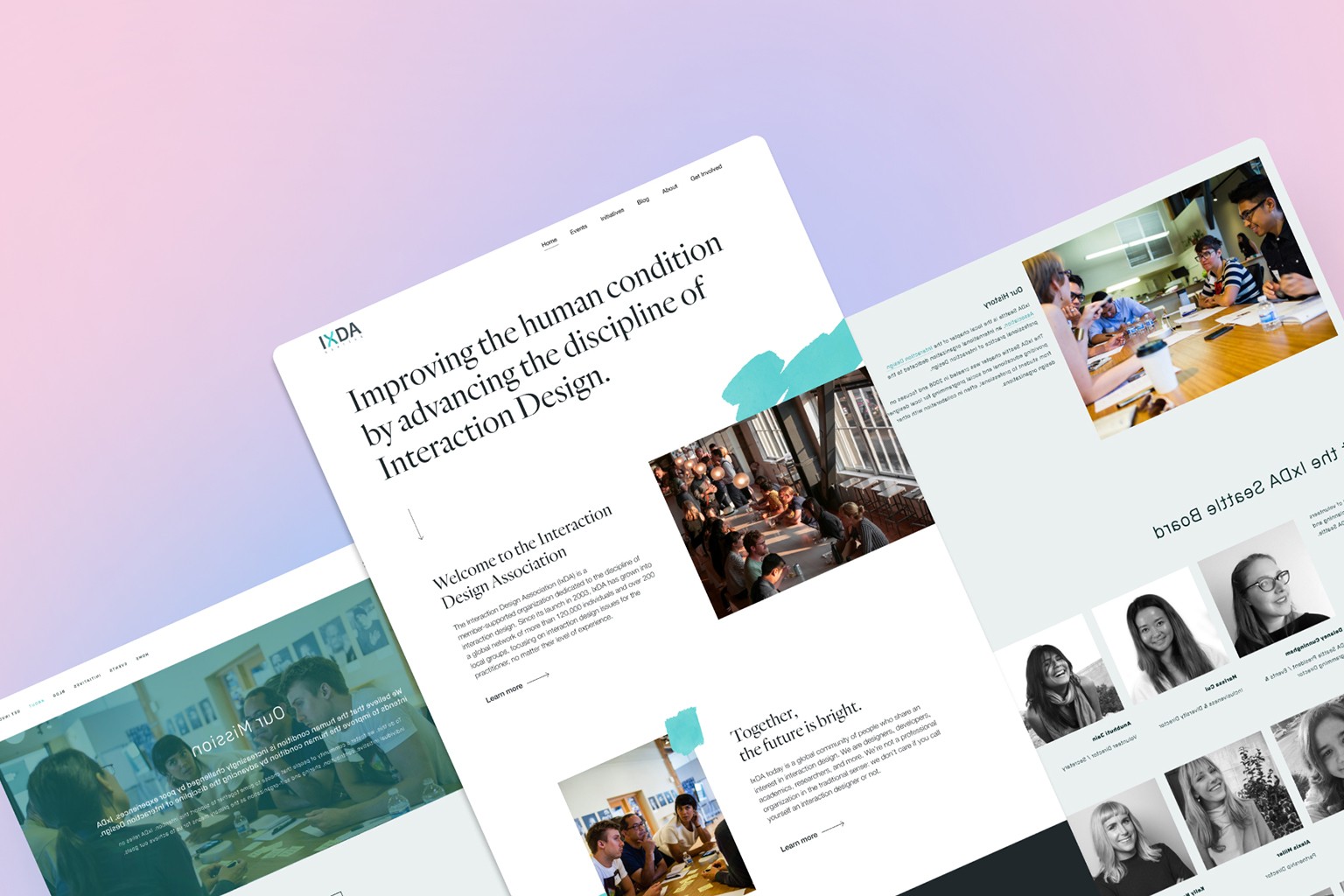
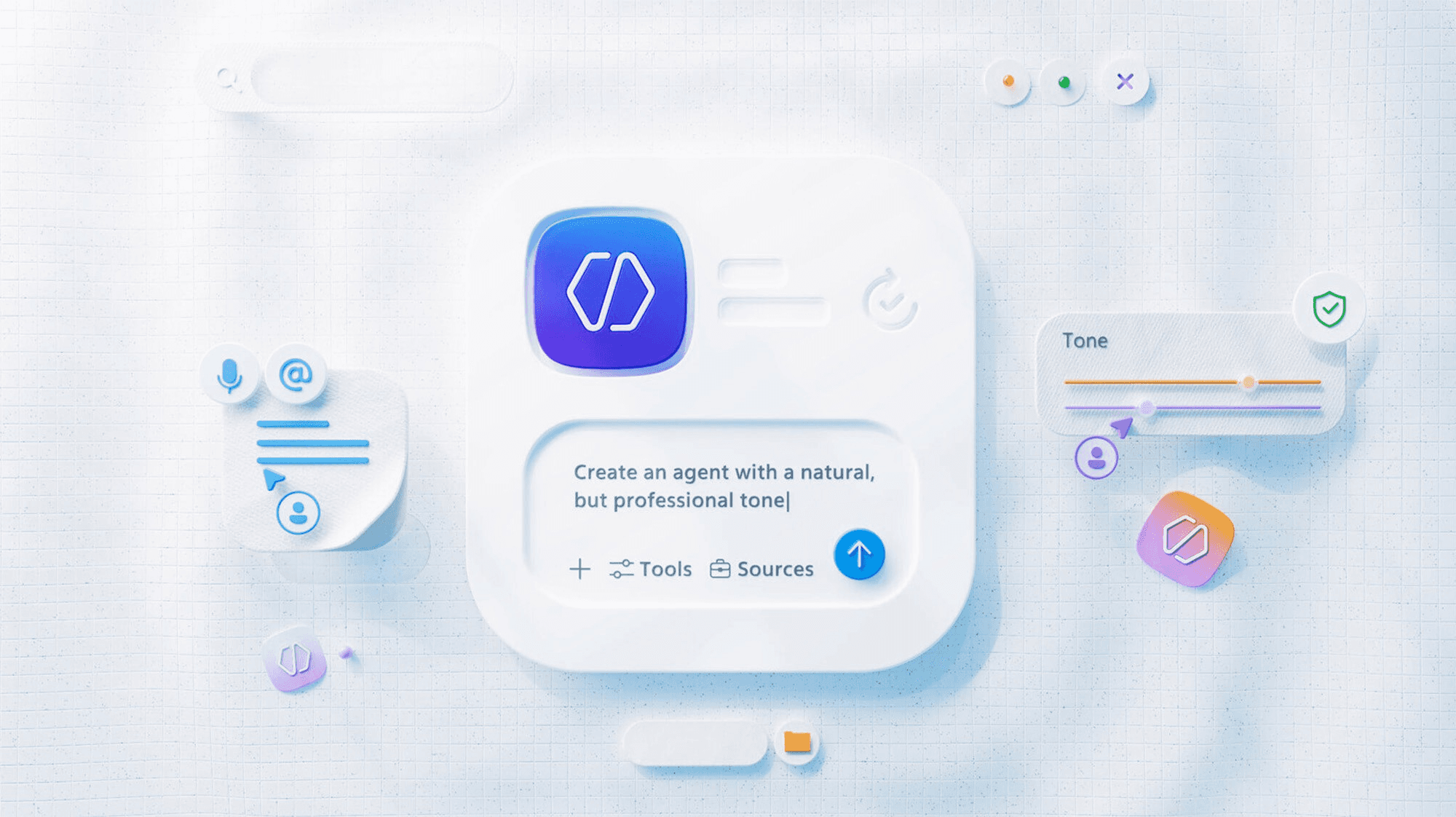
The visual direction balances warmth and clarity to reflect the emotional nature of personal taste while maintaining a structured, easy-to-scan experience.
Inspired by editorial layouts and modern product interfaces, the design emphasizes:
Clean typography with strong hierarchy
Generous whitespace to reduce cognitive load
A modular grid system for scalable content display
The goal is to create an interface that feels both personal and refined—like a curated magazine powered by AI.



04
/
Color
Color
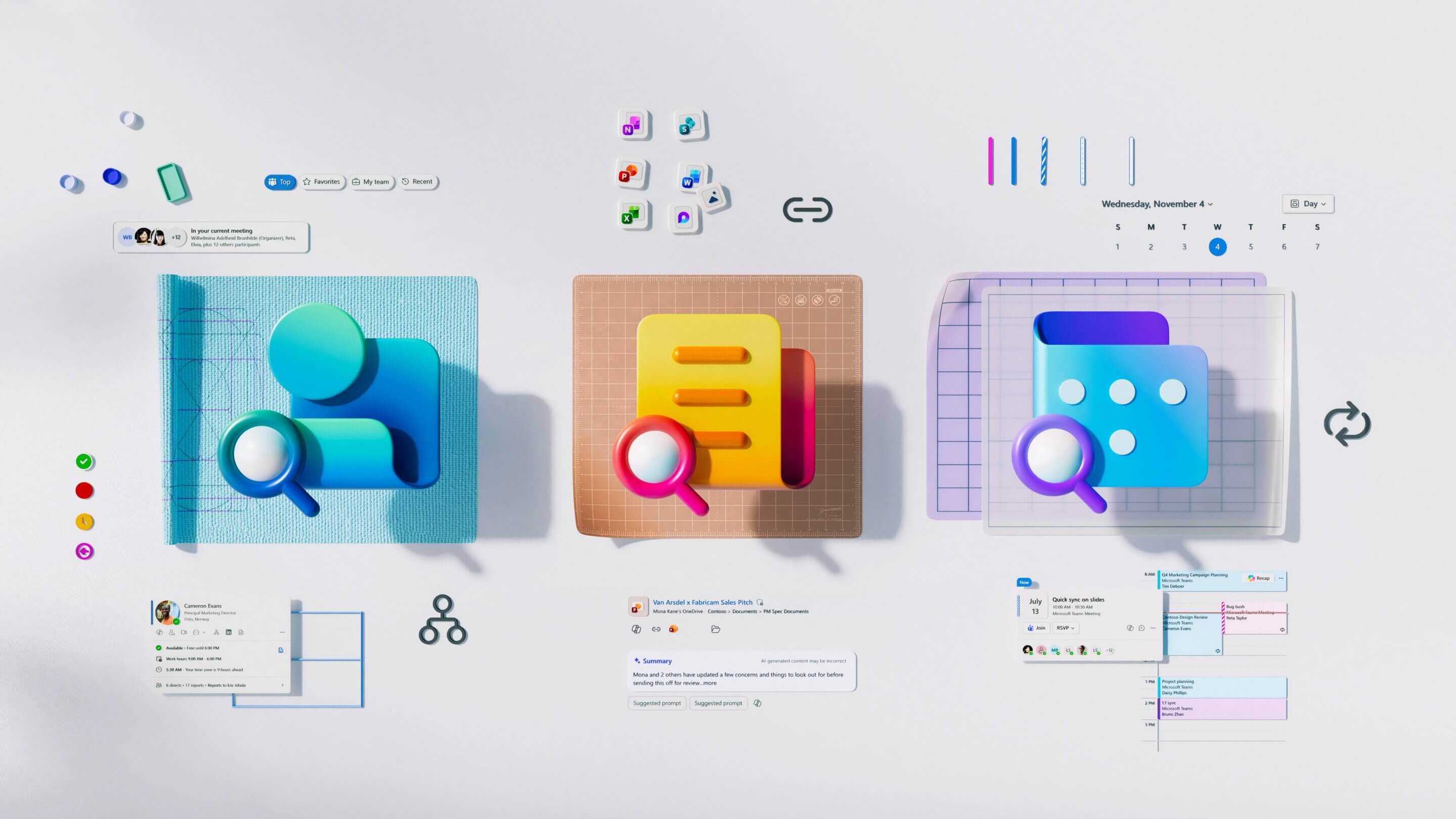
The color system is designed to support both emotional expression and functional clarity.
A neutral base palette ensures readability and consistency across content-heavy screens, while accent colors are used strategically to:
Highlight key actions and recommendations
Differentiate categories and states
Add warmth and personality to the experience
This balance allows the interface to remain visually calm while still feeling engaging and dynamic.
05
/
Solutions
Design Solutions
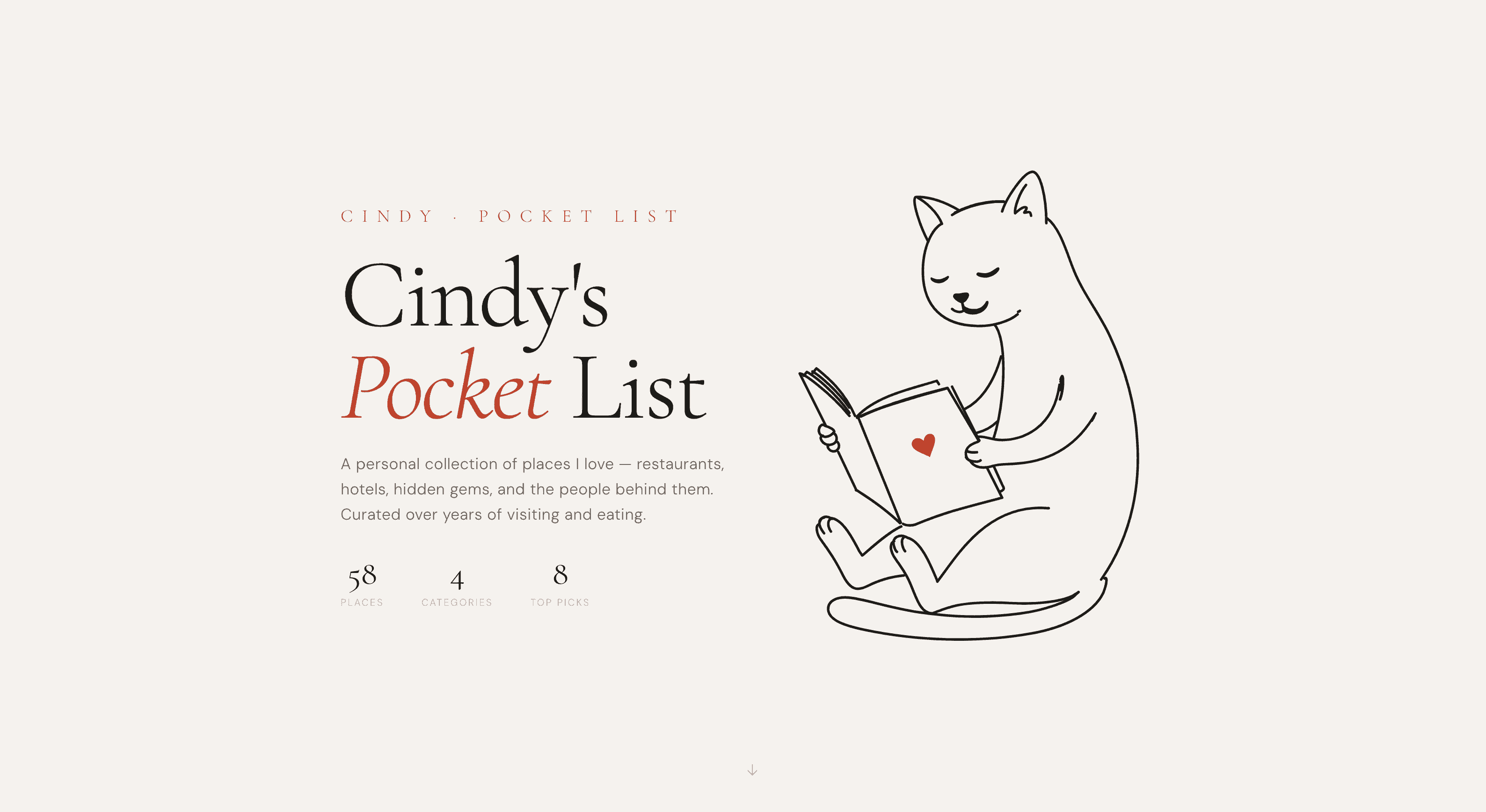
The final experience transforms scattered saved content into a structured, AI-powered discovery system.
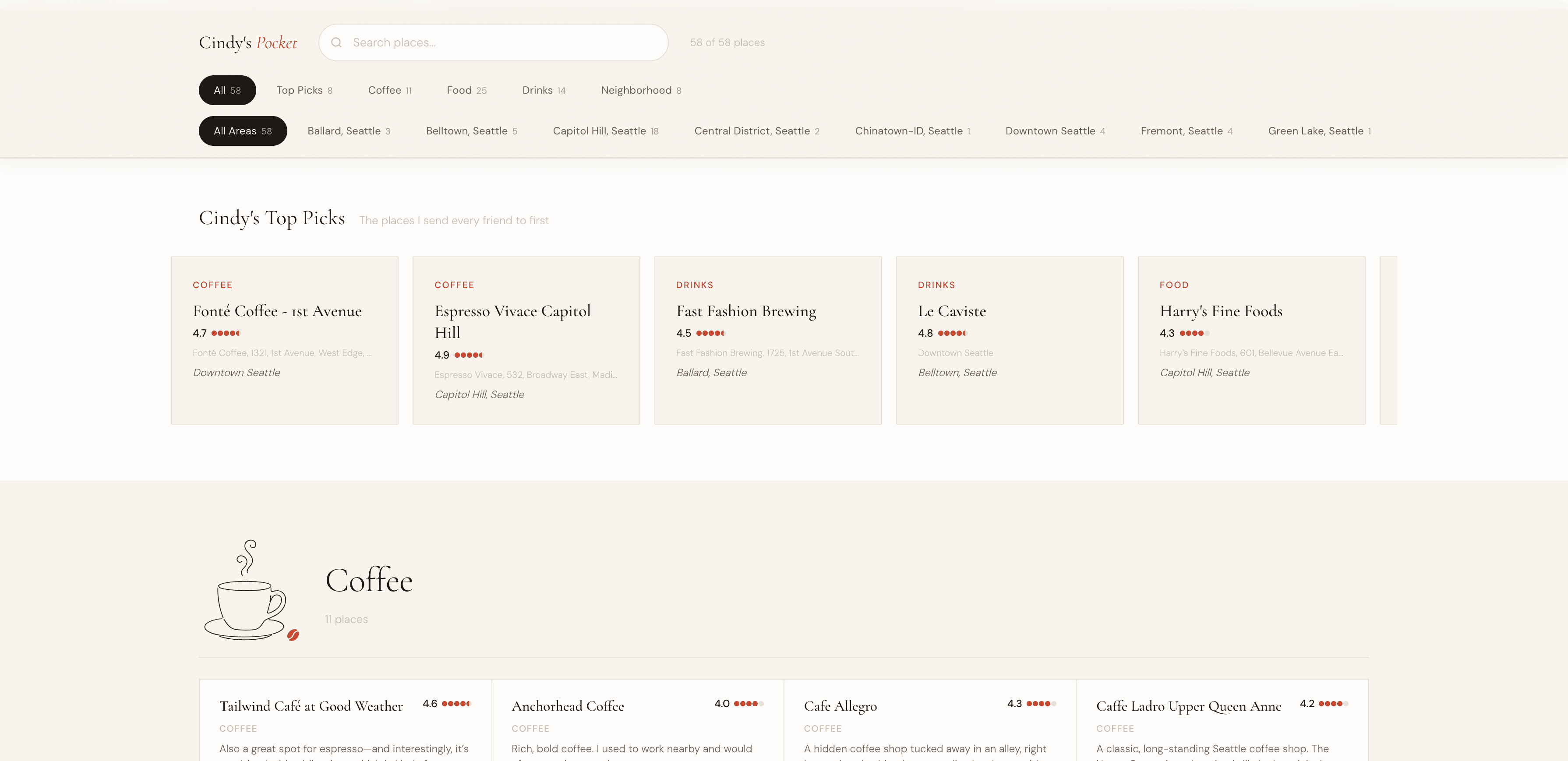
1. Centralized Discovery Hub
All saved content is unified into a single interface, eliminating fragmentation across platforms.
Users can:
View all saved places in one place
Quickly scan through organized content
Navigate across categories seamlessly
2. AI-Generated Organization
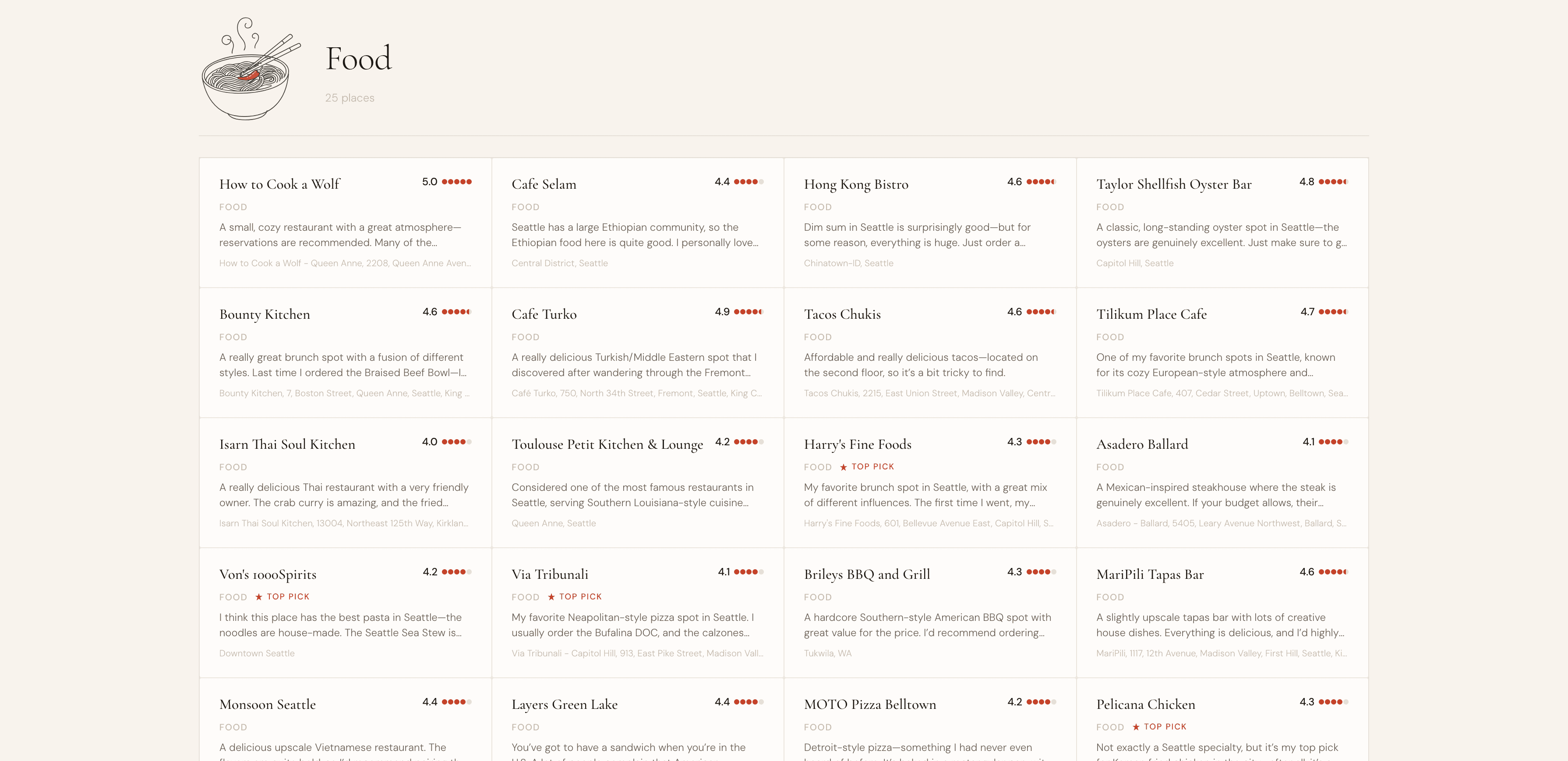
Instead of manual tagging, AI automatically:
Categorizes saved places (e.g., brunch, date night, travel)
Generates contextual summaries
Identifies patterns in user preferences
This reduces effort while increasing the usefulness of saved data.
3. Contextual Recommendations
The system surfaces relevant suggestions based on user intent and context, such as:
Time of day
Location
Previous behavior
Helping users answer the key question:
“Where should I go right now?”
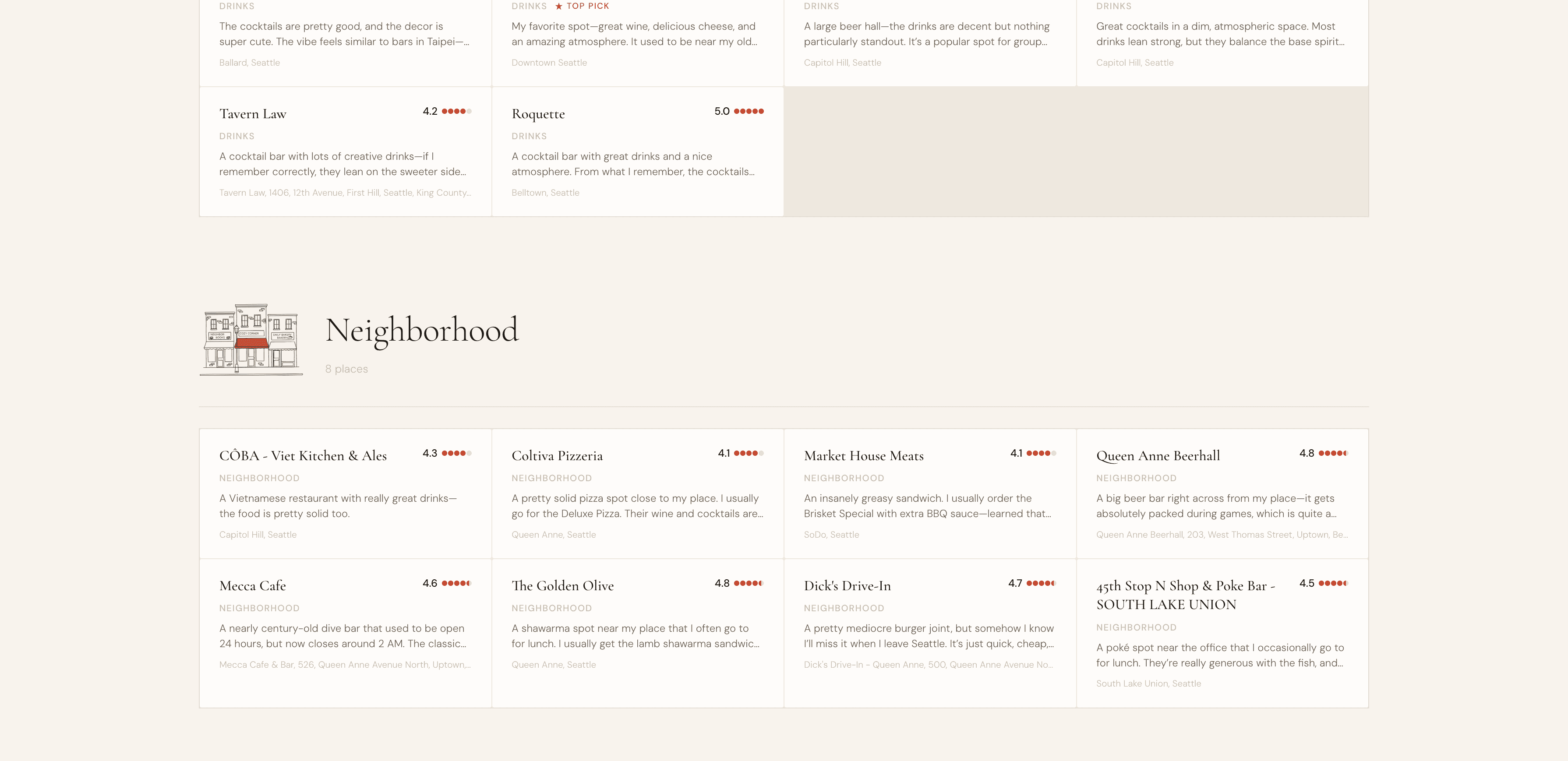
4. Shareable Collections
Users can easily turn their saved places into curated lists that are:
Visually appealing
Easy to share
Reflective of their personal taste
This transforms private data into social value.